
Balance Is a Skill, Not a Given
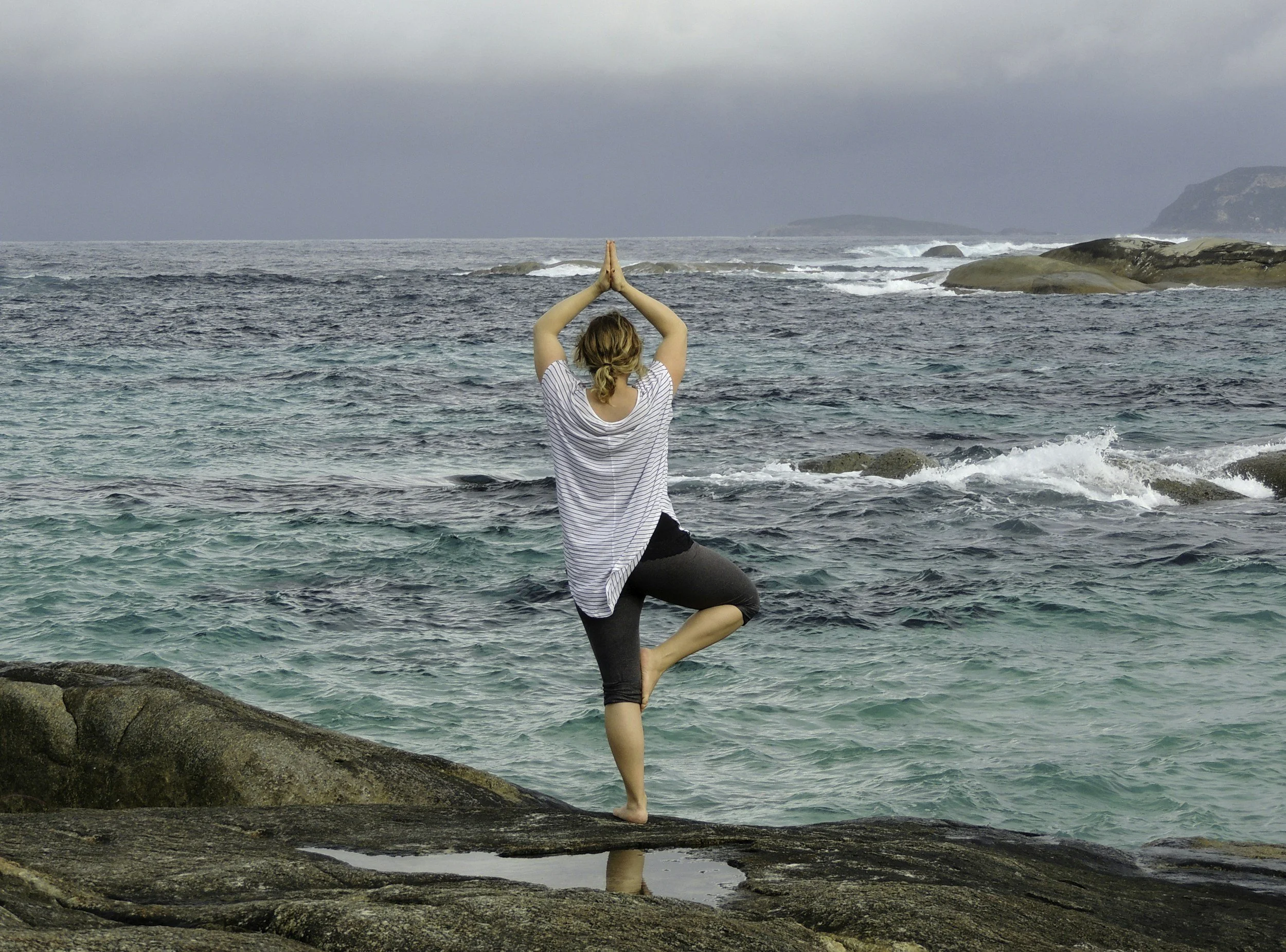
A while ago I wrote about the balance test you can do in your kitchen. The question I was asked most afterwards was a fair one: so what do I actually do about it? Most of us assume balance is something we either have or slowly lose, like eyesight or hair colour. A wobble getting out of the car, a near-miss on the stairs, and we quietly file it under getting older.
It's an understandable assumption. It's also one of the most costly, because balance responds to practice far better than most people realise.
Balance is a conversation
Staying upright isn't one system doing one job. It's your eyes, your inner ear and thousands of sensors in your feet, ankles and joints all reporting in, while your brain makes constant tiny corrections through your muscles.
When any part of that conversation goes quiet, balance suffers. And the part that usually goes quiet first is the one we stop using. If we spend our days on flat floors, in supportive shoes, holding a rail, the system simply stops getting practice.
"Balance isn't lost all at once. It fades from the parts of the system we stop asking anything of."
Why it matters more than it seems
Falls are one of the leading causes of injury in older Australians, and the fear of falling can be almost as limiting as a fall itself. People who feel unsteady tend to move less, which weakens the legs, which makes them less steady again.
The encouraging part is that balance training is one of the best-supported ways to break that cycle. Programs that combine balance work with leg strength reduce falls in older adults.
How to practise it
Practising on purpose. If you tried the kitchen test, you already know your starting point. Stand on one leg while you brush your teeth, holding the basin lightly. When that feels easy, let go, or turn your head slowly side to side.
Strengthening the legs. Balance is only as good as the muscles that make the corrections. Sit-to-stands, step-ups and calf raises all count.
Varying the ground. Walk on grass, sand or the boardwalk instead of only smooth paths. Your feet and ankles learn from every uneven step.
Moving in different directions. Life isn't only forwards. Side steps, turning and stepping backwards build the reactions that catch a trip.
When a wobble needs checking
None of this replaces a proper check if something has changed. Sudden dizziness, a fall without an obvious cause, numbness in the feet or unsteadiness that's getting worse quickly all deserve assessment.
Balance work is built into every program at Aspire from the first session, pitched so it's challenging but safe. If you've had a wobble or a near-miss lately, come and see us. Most people are surprised how quickly it comes back once they start asking for it.