
Blood Pressure, Cholesterol and the Numbers Worth Watching
There's a particular kind of shrug people do when they mention their last blood test. They know some numbers were mentioned. They know one of them was "a bit high". They couldn't tell you which.
You don't need to become an expert. But knowing four or five of them, and knowing which direction you'd like them to move, changes how it feels — from something being done to you into something you have a hand in.
Blood pressure
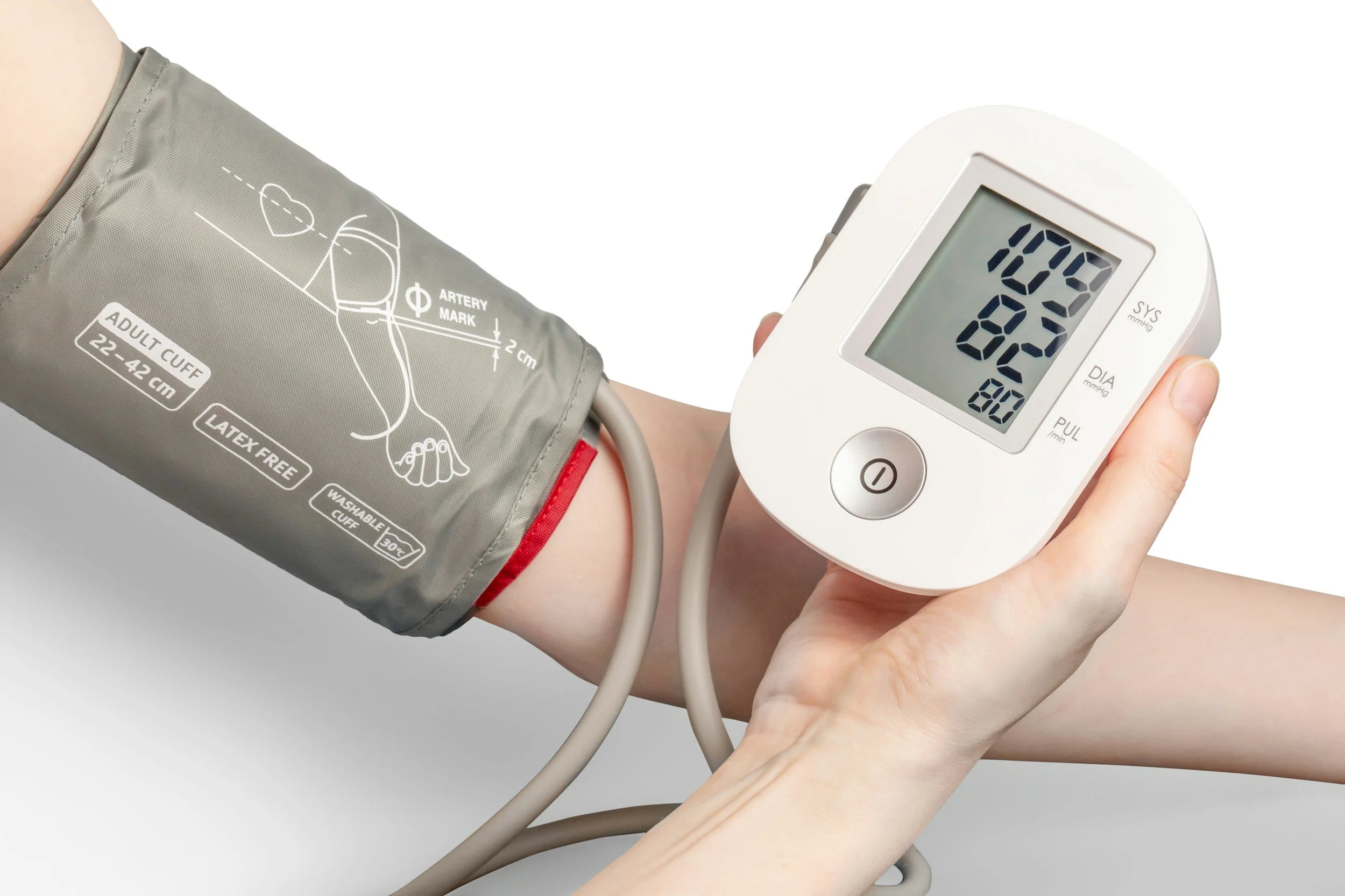
Two numbers, the pressure when your heart beats and when it rests between beats. Around 120/80 is generally considered healthy; consistently over 140/90 is usually where doctors start paying closer attention.
It matters because high blood pressure does its damage silently over years, and it is one of the most responsive things on this list. Regular aerobic exercise reliably brings it down — and interestingly, so does resistance training. Many of our clients have reduced theirs over a year of consistent work.
Cholesterol — the useful part
Total cholesterol on its own tells you surprisingly little. The breakdown is what counts: LDL (the one you'd like lower), HDL (the one you'd like higher) and triglycerides, which respond strongly to diet and activity.
Exercise tends to lift HDL and lower triglycerides quite noticeably. Its effect on LDL is more modest — which is worth knowing, because if your LDL is genuinely high, exercise alone may not be the whole answer, and that's a conversation for your GP rather than a reason to feel you've failed.
"You can't feel high blood pressure or rising blood sugar. That's exactly why the numbers are worth knowing."
Blood sugar — HbA1c
This one gives an average of your blood sugar over about three months, so it can't be gamed by fasting the day before. It's the best early warning we have for type 2 diabetes, and the window where it's easiest to change is well before a diagnosis.
Muscle is central here. It's the largest destination for the sugar in your bloodstream, so building and using it improves how your body handles every meal. This is one of the strongest arguments for strength training that has nothing to do with how you look.
Two more worth asking about
Vitamin D. Yes, even here. Plenty of Gold Coasters are low, because most of us are sensibly avoiding the midday sun. It matters for bone and muscle both.
Waist measurement. Unglamorous, free, and a better predictor of metabolic risk than weight. A tape measure tells you more than the scales.
When to see your GP
If you haven't had a check in two years, book one — and if you're over fifty, make it a habit. Ask for a copy of the results, and ask which number your doctor would most like to see move. That single question turns a vague appointment into a plan.
None of this is medical advice, and we're not here to replace your doctor. But if you'd like to build a program around a number your GP has flagged, bring it in — that's a very good starting point for a conversation.