
Nutrition
Protein gets most of the attention on this blog, and I stand by that. But there's another nutrient most of my clients aren't getting enough of. Carbs get the blame and fats have had their turn in the spotlight. Fibre, meanwhile, sits quietly in the background, mostly associated with prune juice and breakfast cereal ads.
It deserves far more attention than that. Most Australian adults don't eat enough of it, and it does a surprising amount of work.
More than digestion
Fibre is the part of plant foods your body can't break down itself. Instead, much of it travels to the large intestine, where it feeds the trillions of bacteria living there, often called the gut microbiome.
Those bacteria turn fibre into compounds that support the lining of the gut and appear to influence inflammation and metabolism more widely. Fibre also slows the release of sugar into the blood, helps manage cholesterol and keeps you feeling full for longer.
"Fibre isn't just for keeping things moving. It feeds the part of you that's busy looking after the rest."
Why it matters more with age
Diets higher in fibre are associated with lower risk of heart disease, type 2 diabetes and bowel cancer. Constipation also becomes more common with age, particularly with lower activity levels and some medications.
Australian guidelines suggest around 25 grams a day for women and 30 grams for men. Many people fall well short.
Easy ways to eat more
Eating plants in variety. Different fibres feed different bacteria. Vegetables, fruit, legumes, whole grains, nuts and seeds all play a part.
Swapping, not overhauling. Wholegrain bread instead of white, brown rice instead of white, a handful of lentils in the soup. Small changes add up quickly.
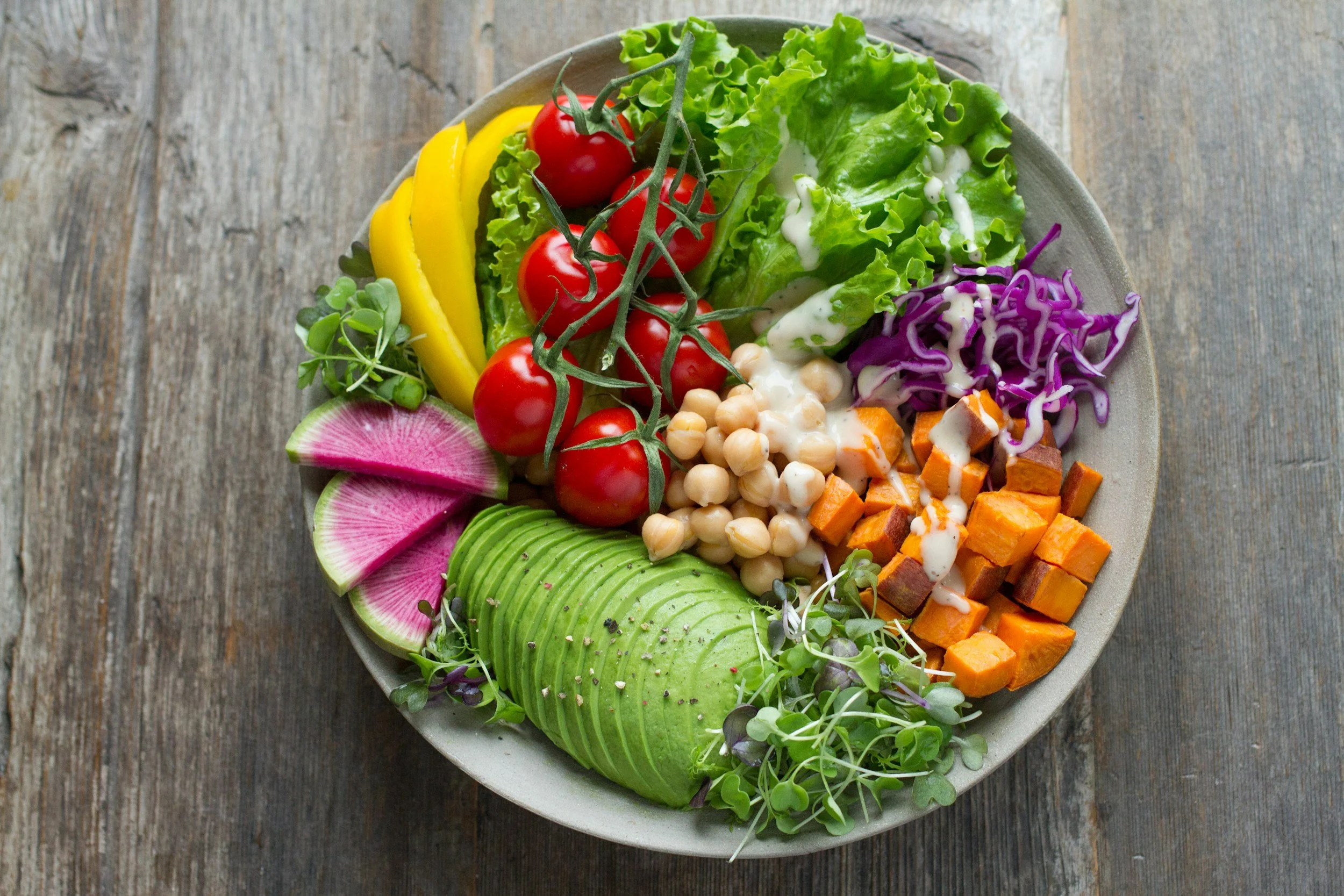
Adding legumes. Chickpeas, beans and lentils are some of the richest sources there are, and they bring protein too.
Going gradually. A sudden jump in fibre can bring bloating. Increase over a few weeks and drink plenty of water alongside it.
When to get it looked at
A lasting change in bowel habits, blood in your stool, unexplained weight loss or ongoing abdominal pain should always be checked by your GP.
At Aspire, we look at the whole picture, and what's on your plate is part of it. Strength training works best when the body behind it is well fed, inside and out. If you'd like help putting the two together, ask us at your next session.