
Why You Keep Losing Muscle — And How to Stop It
There's a word for what's happening, and almost nobody knows it. Sarcopenia. It means the gradual loss of muscle mass and strength that comes with age — and it's one of the most consequential things that will happen to your body, which makes it strange that so few people have ever heard of it.
Let me put it plainly. From around forty, most people lose muscle steadily, year on year, unless they actively work to keep it. You won't notice it happening. You'll notice it ten or fifteen years later, when the stairs feel different.
Why this matters more than your weight
We spend a great deal of energy watching the scales and almost none watching our muscle. That's the wrong way round. Muscle is what gets you off the floor, out of a low chair, up from the garden. It's what stops a stumble becoming a fall, and a fall becoming a hospital stay.
Muscle also does quiet metabolic work you never see. It's where most of the sugar from your last meal goes. Less muscle means less capacity to handle that, which is part of why insulin resistance creeps up with age even in people whose diets haven't changed at all.
"Nobody loses their independence because of their weight. They lose it because they can't get up unaided."
Why it happens
Three things stack up. Your body becomes less efficient at turning the protein you eat into muscle, so the same meal does less for you at sixty than it did at thirty. Hormonal changes shift the balance towards losing tissue rather than building it. And — the big one — most people simply move less, and almost never move against real resistance.
That last point is the one worth sitting with, because it's the one you control entirely.
What actually reverses it
Here's the genuinely good news, and I want to be emphatic about it: this is reversible at almost any age. Studies in people in their eighties and nineties have shown meaningful strength gains in a matter of weeks. Not maintenance — gains. Your muscles do not stop responding.
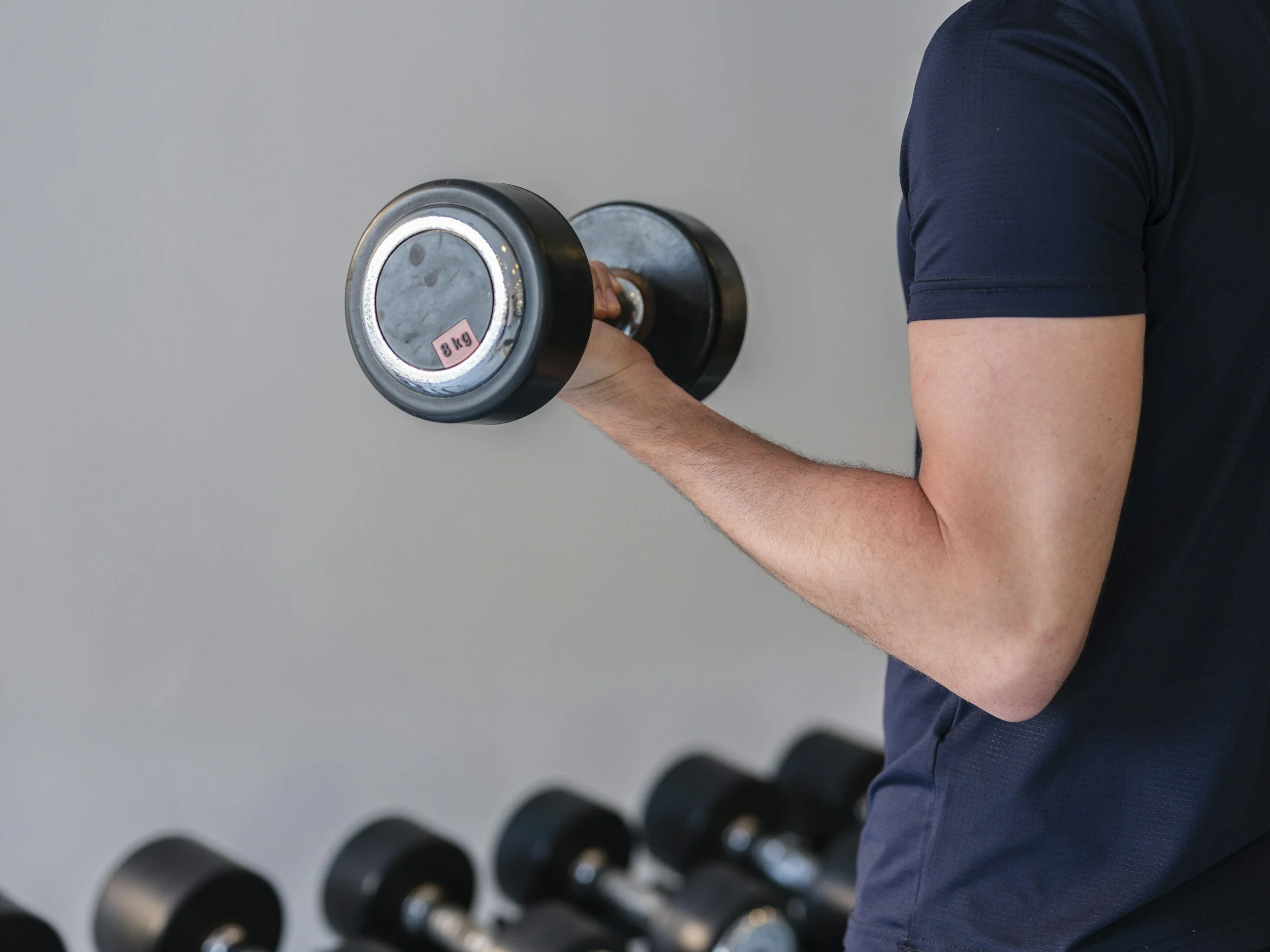
Resistance training, twice a week. This is the non-negotiable. Not walking — walking is wonderful for other reasons, but it won't build muscle. You need to ask your muscles to move something heavy enough that the last couple of repetitions are genuinely hard.
Enough protein, spread through the day. Because the conversion is less efficient now, you need more than you did — and more than most official guidelines suggest. Aim to get a solid serve at each meal rather than loading it all into dinner.
Progression. The same three-kilo dumbbell for two years is maintenance, not training. The weight has to creep up. This is the part people most often miss, and it's the part that makes the difference.
Where to start
If you've never lifted anything heavier than the shopping, don't start alone and don't start heavy. Get shown the movements properly, build up gradually, and let someone else handle the progression so you don't have to think about it.
That's most of what we do at Aspire, and it's why the average age on our floor is higher than you'd expect. Come and have a look — you don't need to be strong to start. That's rather the point.