
Sleep: The Most Powerful Recovery Tool You Already Own
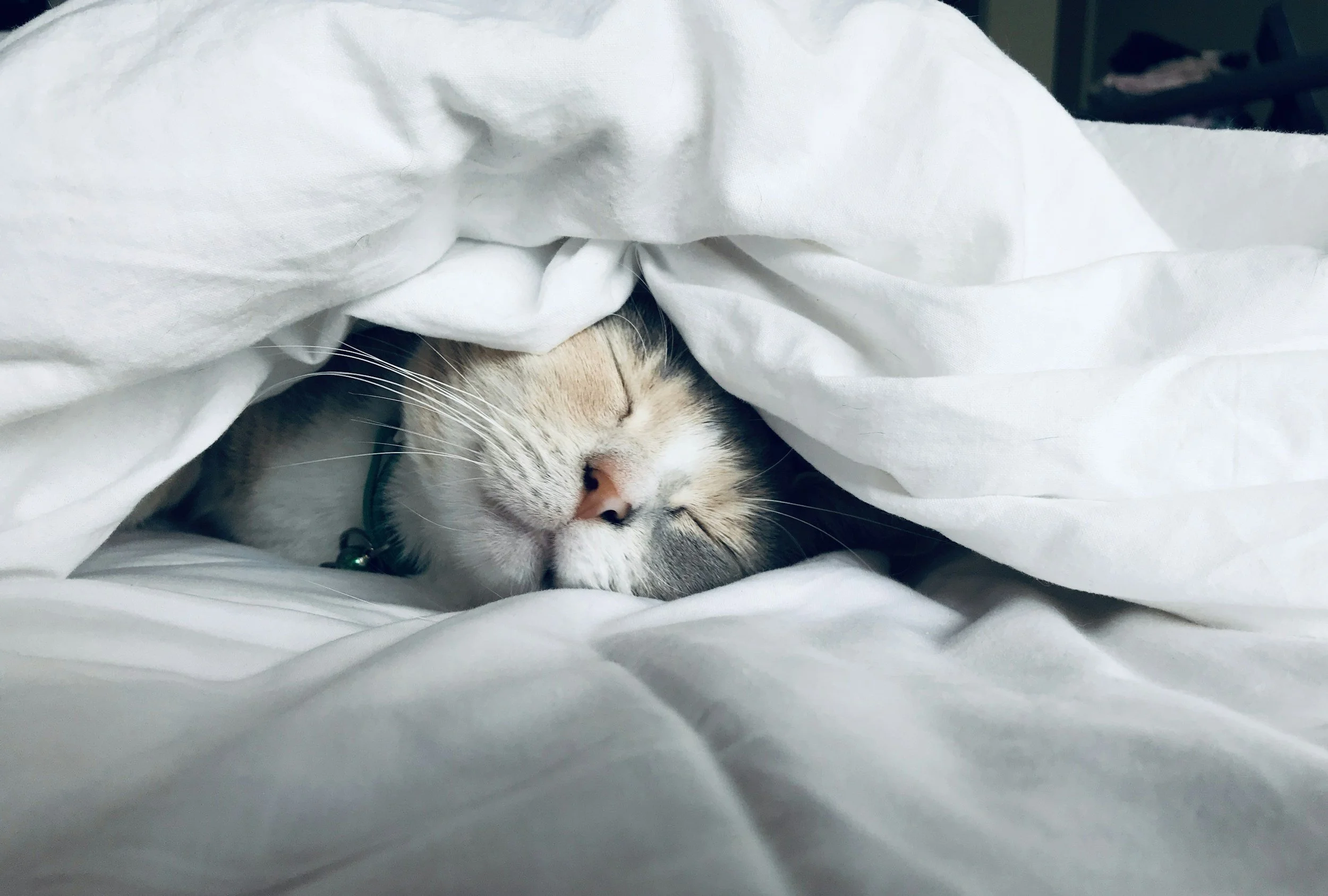
If I could give every client one thing, it wouldn't be a supplement or a new program. It would be an extra hour of decent sleep.
Everything we work on at the studio happens while you're asleep. Muscle repairs. The nervous system settles. Appetite hormones reset. Train hard and sleep badly for a month and you'll feel worse, not better — you've done the asking and skipped the answering.
What genuinely changes after 50
Some of what you're experiencing is normal, and knowing that helps enormously. Sleep gets lighter with age — you spend less time in the deepest stages, so you wake more easily. Your body clock shifts earlier, which is why you're tired at nine and awake at five. And waking once in the night is extremely common and not, in itself, a problem.
What isn't normal: waking unrefreshed every single morning, falling asleep in the afternoon against your will, loud snoring with pauses in breathing, or lying awake for hours with a racing mind. Those are worth a GP conversation. Sleep apnoea in particular is under-diagnosed, very common, and highly treatable.
"You don't get stronger in the session. You get stronger in the eight hours afterwards."
The fixes that actually work
Get outside early. Morning light is the single strongest signal your body clock receives. Twenty minutes outdoors before nine does more for your sleep than anything you'll do at bedtime. A walk along the marina is close to ideal.
Keep the wake-up time fixed. Even after a bad night. Sleeping in to make up for it feels sensible and quietly wrecks the following night.
Watch the afternoon coffee. Caffeine hangs around for far longer than people realise, and our tolerance for it drops with age. If you're having a two o'clock cup, half of it is still working at bedtime.
Be honest about the wine. Alcohol gets you to sleep faster and then fragments the second half of the night. It's the most common reason people wake at three and can't settle.
Train — but not late. Regular exercise reliably improves sleep quality. Hard training close to bedtime can do the opposite. Morning or early evening suits most people best.
And if you're lying there awake
Get up. Twenty minutes of staring at the ceiling teaches your brain that bed is a place for being frustrated. Go and sit somewhere dim and dull until you're genuinely sleepy, then go back. It feels counterproductive and it works.
This pairs with something I've written before about rest days. Rest isn't the reward for training — it's part of it. Sleep is the same thing, just more so.