
Protein: How Much You Actually Need After 50
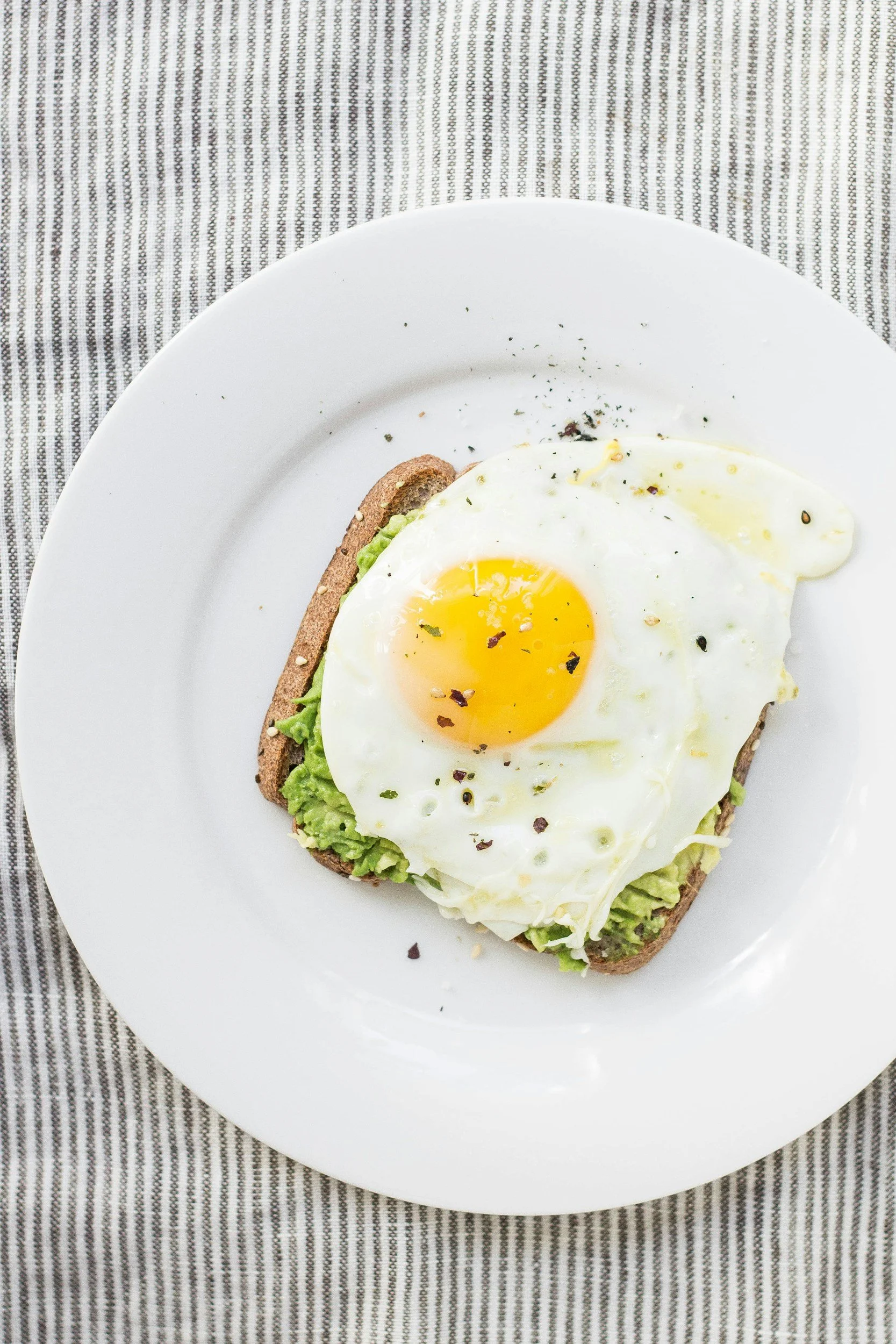
Most people I meet are eating about half the protein they need, and they're quite surprised to hear it. They're not eating badly. They're eating the way they always have — and the requirement has changed underneath them.
The number
The official minimum is around 0.8 grams per kilo of body weight. That figure was set to prevent deficiency, not to keep muscle on an older body — and the research on ageing points considerably higher. Most of it lands somewhere between 1.2 and 1.6 grams per kilo for adults over fifty who are training.
For a 70kg person, that's roughly 85 to 110 grams a day. Compare that with a typical day — toast, a sandwich, and a modest piece of chicken at dinner — and you're looking at maybe 50 grams. The gap is the problem.
"Breakfast is where almost everyone loses. Fix breakfast and you've fixed most of it."
Why it's higher now
Ageing muscle is less responsive to protein — the same meal triggers a smaller building response than it did at thirty. Researchers call it anabolic resistance, and the practical consequence is simple: you need a bigger dose to get the same effect.
Timing matters too. A single large serve at dinner doesn't work as well as spreading it across the day. The target most researchers land on is around 25 to 30 grams per meal, three times a day.
What 30 grams looks like
Two eggs plus a small tub of Greek yoghurt
A palm-sized piece of chicken, fish or beef
A tin of tuna and a slice of wholegrain toast
A cup of cottage cheese
A cup and a half of cooked lentils with a handful of nuts
A scoop of protein powder in milk — perfectly legitimate, and often the easiest fix
The one change to make first
Breakfast. Toast and jam is close to zero. Swapping in eggs, yoghurt or a smoothie closes about a third of the daily gap before you've done anything else, and it's the change people find easiest to keep.
One note: if you have kidney disease, these numbers don't apply to you — have the conversation with your doctor instead. For everyone else, the research on higher protein intakes in healthy older adults is reassuring. And if you'd like help working out your own number, just ask any of us.