
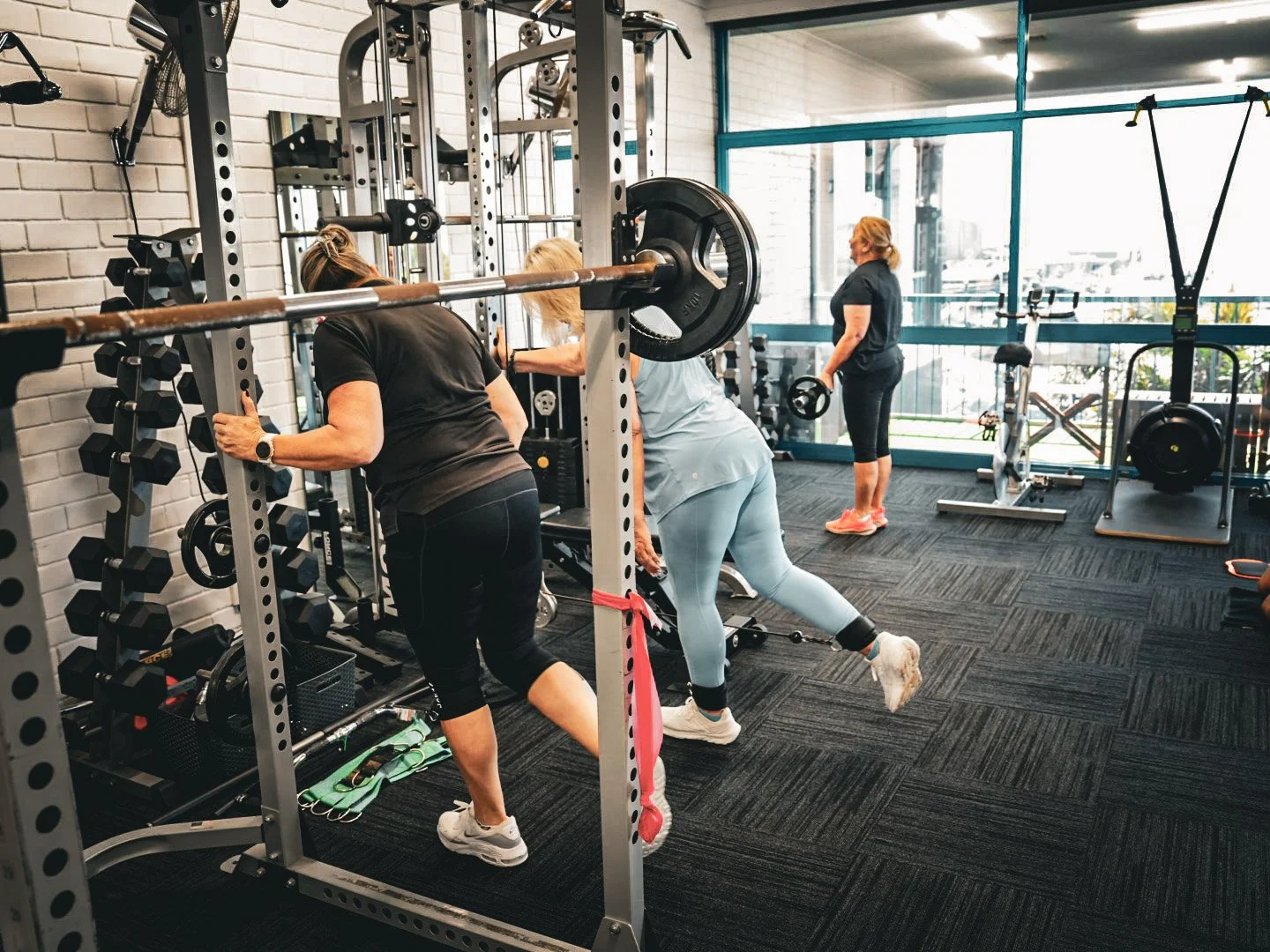
We usually judge a workout by what happens in it: the weights, the reps, the sweat. The chat beforehand and the coffee afterwards are pleasant extras, but not really the point. Over the years I've come to think they might be more of the point than we realise.
Connection is a health factor
Research over the past few decades has made something clear: social connection affects health in ways that rival well-known risk factors like inactivity. Loneliness and isolation are linked with higher rates of heart disease, depression and cognitive decline.
And isolation tends to creep up with age. Children move away, careers end, friends relocate. Many people find their world quietly shrinking without ever deciding it should.
"The people you train beside are part of what keeps you well, not just the exercises."
Why groups help people keep going
People who exercise with others tend to stick at it longer. Someone expecting you on a Tuesday morning is a powerful reason to get out of bed. A familiar face who notices when you've been missing is even more powerful.
There's also something encouraging about training with people at a similar stage of life. Seeing someone your age lifting confidently makes it easier to believe you can too.
Ways to make it social
Joining a regular class. Same time, same faces each week builds both habit and friendship.
Bringing a friend. Training with someone you already know can make the first few sessions much less daunting.
Staying for the coffee. The few minutes after a session matter. That's where many friendships start.
Saying yes to the extras. A walk, a catch-up, a celebration. Small social moments add up.
More than a client list
If you've been feeling isolated or low for a while, please talk to your GP or someone you trust as well. You don't have to work through it alone.
I've always said Aspire is a community, not a client list. Some of our members came for their knees and stayed for the people. Come early, grab a coffee on the balcony, and you'll see what I mean.